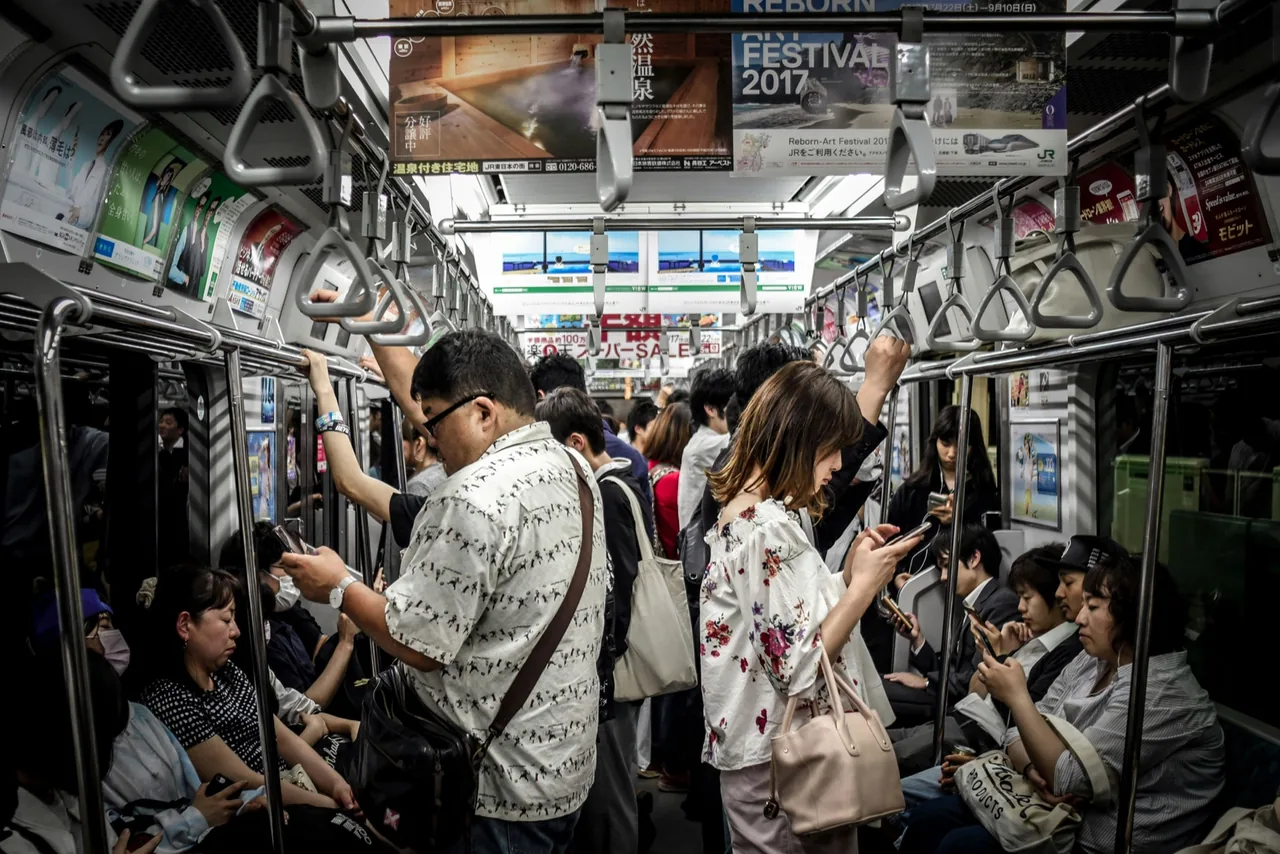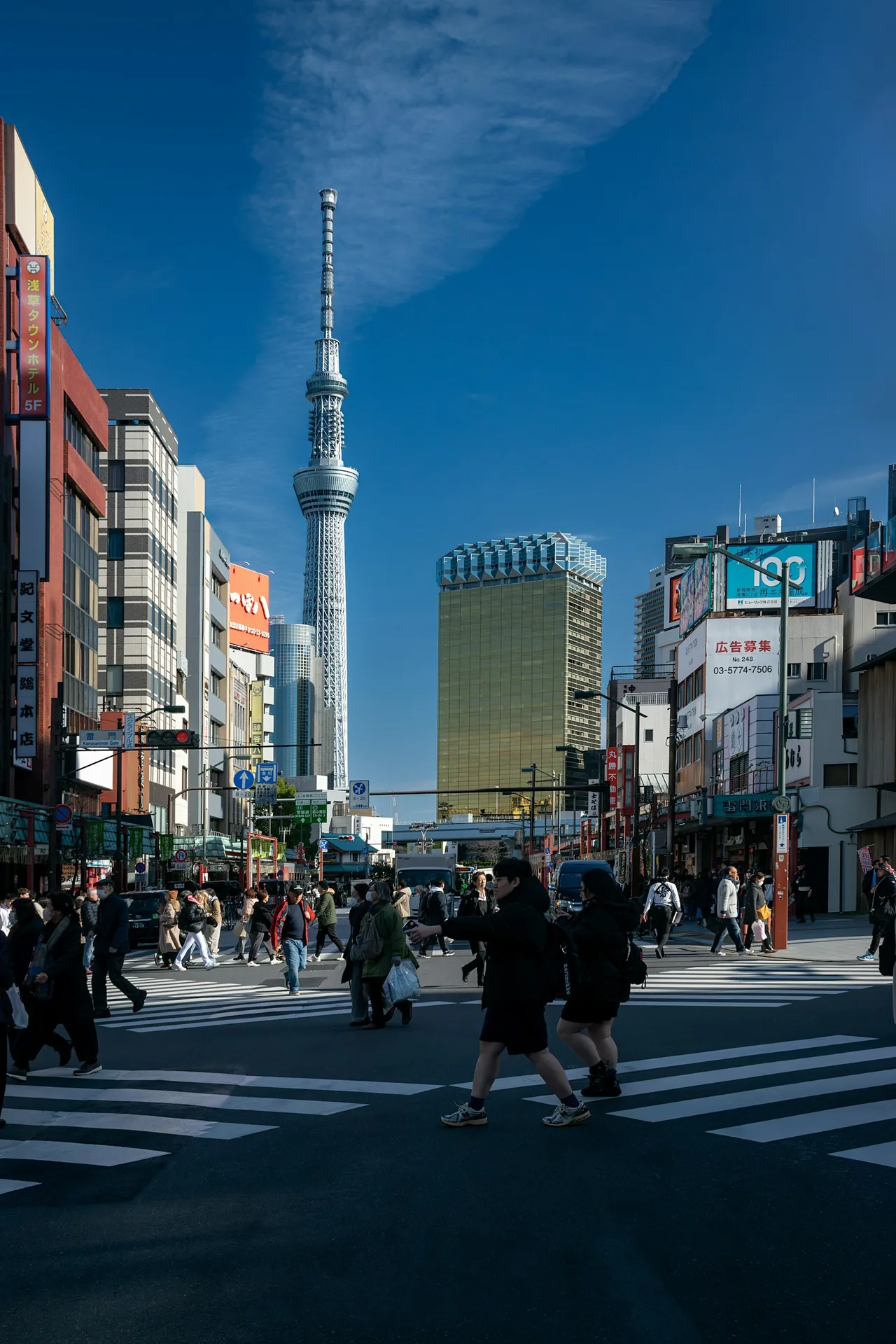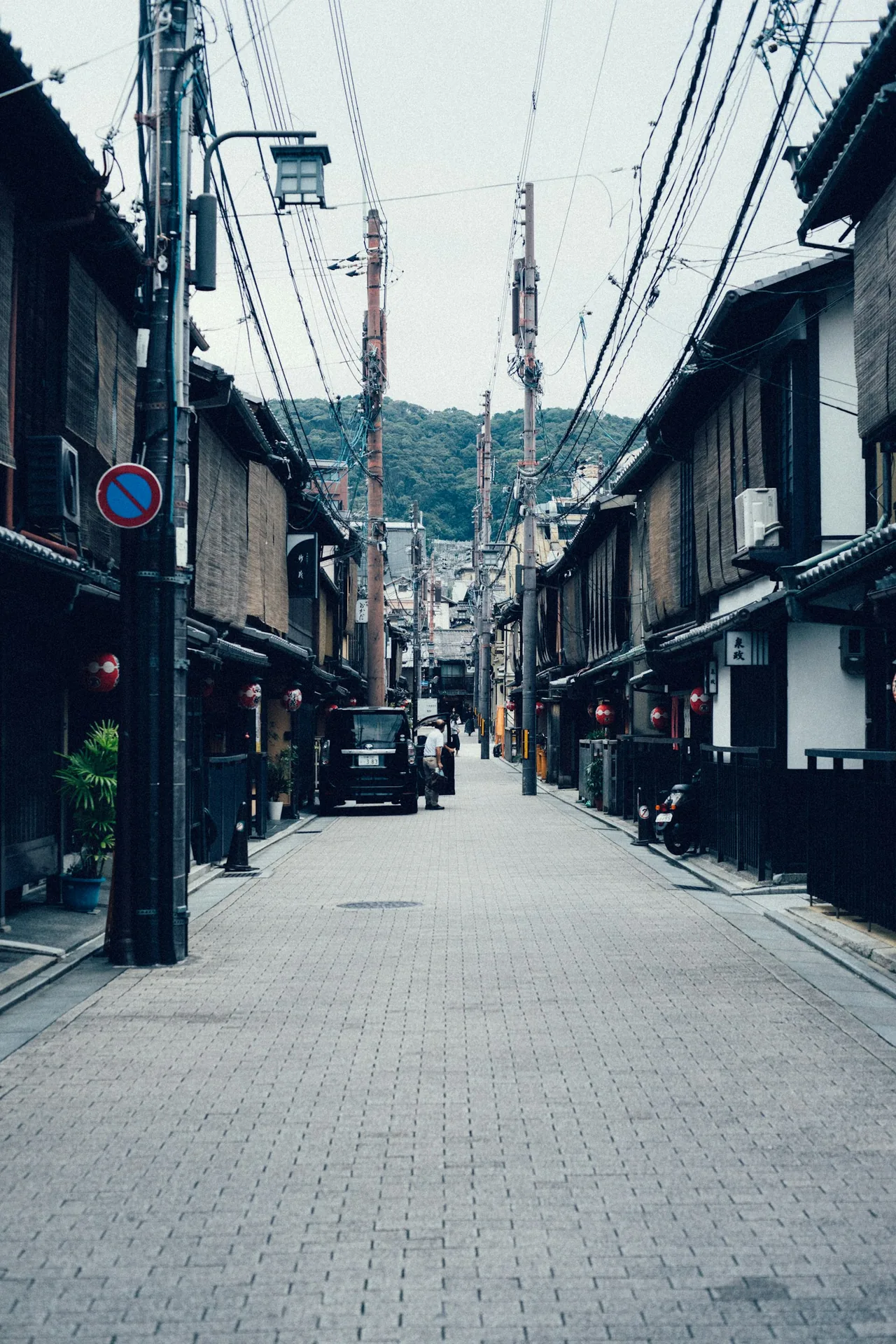
- Kyoto Station suits intercity arrival and JR-heavy days; Shijo–Kawaramachi suits evenings in central Kyoto and walks toward Gion
- Umeda/Osaka Station is the northern JR hub; Namba anchors Minami and connects with Kansai Airport via Nankai
- Kansai Airport's official page shows direct Haruka access to Kyoto and Nankai services to Namba, but recheck schedules and fares when booking
- ‘Muslim-friendly’ is not one nationwide halal certificate; confirm the property's current services, food process and supervising body in writing
01
Map your nights before mapping the sights
Divide the itinerary into four anchors: arrival station, first morning activity, final evening activity and departure station. Give an area one point when it reaches an anchor without a change, one when the platform-to-door walk looks realistic with luggage, and one when your plan returns there twice or more. Do not choose from an average journey time. Choose around the trip you will repeat while tired.
Then inspect the final 700 metres hidden inside ‘near the station’. Identify the operator, line, exit and lift. Check whether the hotel is actually above the station or beyond a bridge or broad road. Write the route as platform–lift–exit–door, not simply ‘seven minutes’. With a child, pushchair or two bags, that route can matter more than a small room-price difference.
02
Kyoto Station: when trains lead the trip
Kyoto City's official guide describes the station area as the gateway used by most arrivals. JR lines from here reach Fushimi Inari, Tofukuji and Arashiyama, while the area has plentiful lockers, luggage storage and a broad hotel mix. Choose it for a Haruka arrival from Kansai Airport, substantial bags, an early Shinkansen or several JR-based day trips.
Kyoto Station is not a shortcut to every part of Kyoto. If your evenings centre on Gion, Pontocho and Nishiki, you may pay for the southbound return every night. The building is also vast, so fix the correct side for the hotel. Its advantage is logistical: arrival, departure and long-distance movement. A slower culture-heavy plan in the east and centre can justify another base.
03
Shijo–Kawaramachi: when the day continues after dark
Kyoto's official guide places Shijo–Kawaramachi in the commercial centre, near Nishiki Market and within walking reach of Yasaka, Gion and the Kamo River. It fits travellers who want early lanes and evenings near restaurants and shops rather than a return to Kyoto Station. Accommodation ranges from ryokan and guesthouses to design hotels, but the label covers a wide area—check the actual line and exit.
Kawaramachi and Shijo–Karasuma are not one station or one network. Reaching Kyoto Station may involve subway, bus, walking or a change depending on the address. Ask how many nights end in Gion and how many mornings start on a distant train. If evenings dominate, the centre may save daily time. If rail mornings dominate, Kyoto Station may be calmer.
04
Umeda and Osaka Station: the northern, JR-focused base
Osaka's official guide calls Kita the city's gateway, where JR Osaka Station, Osaka Metro and private Umeda railways converge. Choose it for JR-heavy plans, Shin-Osaka and Shinkansen connections, Kyoto or Kobe day trips, or evenings in the northern shopping district. Kansai Airport's official page identifies JR as the convenient rail choice for Osaka/Umeda, with airport buses also available.
The compound name is the trap: Osaka Station, Umeda, Higashi-Umeda and Nishi-Umeda are neighbouring nodes rather than one door. Match a property to the line you will actually use, then save an indoor landmark and exit. ‘Near Umeda’ can be excellent for one train and awkward for another. The corridor repeated twice a day—not the number of lines on the map—sets the comfort level.
05
Namba: for the airport, Minami and late evenings
The official tourist information centre sits in Nankai Namba Station and describes it as a Minami hub linked to Osaka Metro and private railways. Kansai Airport's official page calls Nankai the convenient choice for Namba and lists approximate Rapi:t journeys from 34 minutes, depending on the service. Namba makes sense when the airport frames the first and last day and evenings centre on Dotonbori, Shinsaibashi and the south.
‘Namba’ is also a cluster. Check whether the address is closest to Nankai Namba, Osaka Metro Namba or JR Namba. Do not build an airport plan from the district name alone. For repeated Kyoto or Shin-Osaka journeys, count the Metro change each time. Namba is not universally better than Umeda; it wins when it matches your airport, evenings and actual lines.
06
One base or two? Count hotel doors, not train minutes
Use one base for a short stay or when packing, check-out, bag storage and a second check-in will not remove a whole repeated journey. Kyoto and Osaka being close does not by itself justify moving. If you have an early Kyoto day, a late Kyoto evening and then two days that finish in Namba, one transfer may buy two easier mornings and evenings.
Japwa's test counts doors, not just train time: add check-out, walking, platform, waiting, arrival, bag storage and check-in. Split the stay only when it saves more over the following days than it consumes. Otherwise remain in one property. Use luggage forwarding only after both properties confirm acceptance and delivery timing; keep passports, medicines and first-night essentials with you.
07
The family and Muslim-traveller filters
Families should start with actual floor area, permanent beds, laundry, baggage storage and a lift route from platform to street. A ‘family room’ label means little if no one can move after opening the bags. Check child, bed, meal and cancellation rules on the booking page and directly with the property, because details and totals change by date and occupancy.
On 16 November 2026, Japwa rechecked Muslim Friendly Kyoto's official page, which lists participating stays offering items such as prayer mats, qibla compasses and a Kyoto Mosque map under named local supervision. JNTO also warns that Japan has no single central halal accreditation agency. Treat ‘Muslim-friendly’ as a prompt to verify, not a guarantee: ask in writing about food, supervising body, shared kitchens, prayer equipment and qibla information, and revisit the current official list before payment.
08
A four-column decision sheet before booking
Put four areas across a page: Kyoto Station, Shijo–Kawaramachi, Umeda and Namba. Down the side list arrival, two early mornings, two late evenings, departure and the bag route. Award two points for a no-change journey, one for a clear lift route and one when the base shortens a repeated activity. Subtract one for every repeated change with a child or bag. It is not absolute mathematics; it stops the hotel photograph from hiding location cost.
Once two areas remain, compare only two properties in each using the same fields: final total, cancellation, room size, laundry, luggage storage and reception hours. The comparison link below is an affiliate link; Japwa may earn a commission from a qualifying booking at no extra cost to you. The Amazon.sa packing-organiser link is also an affiliate link; price and availability are set by Amazon, and no purchase is required to use this guide. Reopen official transport and property pages before payment and travel.
Japwa rule: choose the station that shortens the journey you repeat, then test the platform, lift, exit and hotel door. The city name opens the search; the final 700 metres decides it.
Sources
- Kyoto City Official Travel Guide — choosing accommodation by area ↗
- Kyoto City Official Travel Guide — getting around Kyoto ↗
- OSAKA-INFO — official Osaka area guide ↗
- OSAKA-INFO — Tourist Information NAMBA ↗
- Kansai International Airport — official access FAQ ↗
- Kansai International Airport — current train access ↗
- Kyoto City Official Travel Guide — Muslim-friendly accommodation ↗
- JNTO — Muslim travellers in Japan ↗