- Japwa checked the official sources on 27 October 2026; recheck timetables, tickets and opening hours before payment
- The core plan uses three Tokyo nights and three Kyoto nights, ideally arriving in Tokyo and departing from Kansai
- Day six has two alternatives: a calm Kyoto family day or one focused Osaka outing—not both cities in one day
- This is not a frozen halal restaurant list; verify one meal anchor and a backup in each city on the day
01
Before day one: choose two gateways and two bases
The cleanest version arrives at a Tokyo airport and departs from Kansai, avoiding a final cross-country return with children and luggage. If your flights are a Tokyo round trip, do not hide that return journey inside the final evening. Make day seven a transfer day, or return on day six and sleep near the right station or airport. Compare an open-jaw airfare with the train and extra hotel night it may replace, not with airfare alone.
Choose one Tokyo hotel and one Kyoto hotel. Check the real bed layout, child policy, laundry, breakfast, luggage storage and lift route from the station. Being theoretically close to a huge station does not mean an easy stroller approach. Protect one principal activity a day; add a small extra only when the family still has the energy.
02
Day one: arrival is not half a sightseeing day
After landing, the objective is the hotel, a meal you can verify and sleep near local bedtime. Airport formalities, rail and the final exit-to-door walk can consume the remaining day, especially with a tired child. Do not buy a rigid timed ticket for arrival evening. If the room is ready early, use a nearby park or street rather than crossing Tokyo for one landmark.
Put a first-night kit in hand luggage: light clothes, medicines, chargers, a suitable backup snack and the address in Japanese. JNTO says nursing and changing rooms are widely found in stations, department stores and other facilities, but do not assume every station has the same setup. Choose a clear family stop before leaving the airport.
03
Days two and three: build Tokyo in clusters
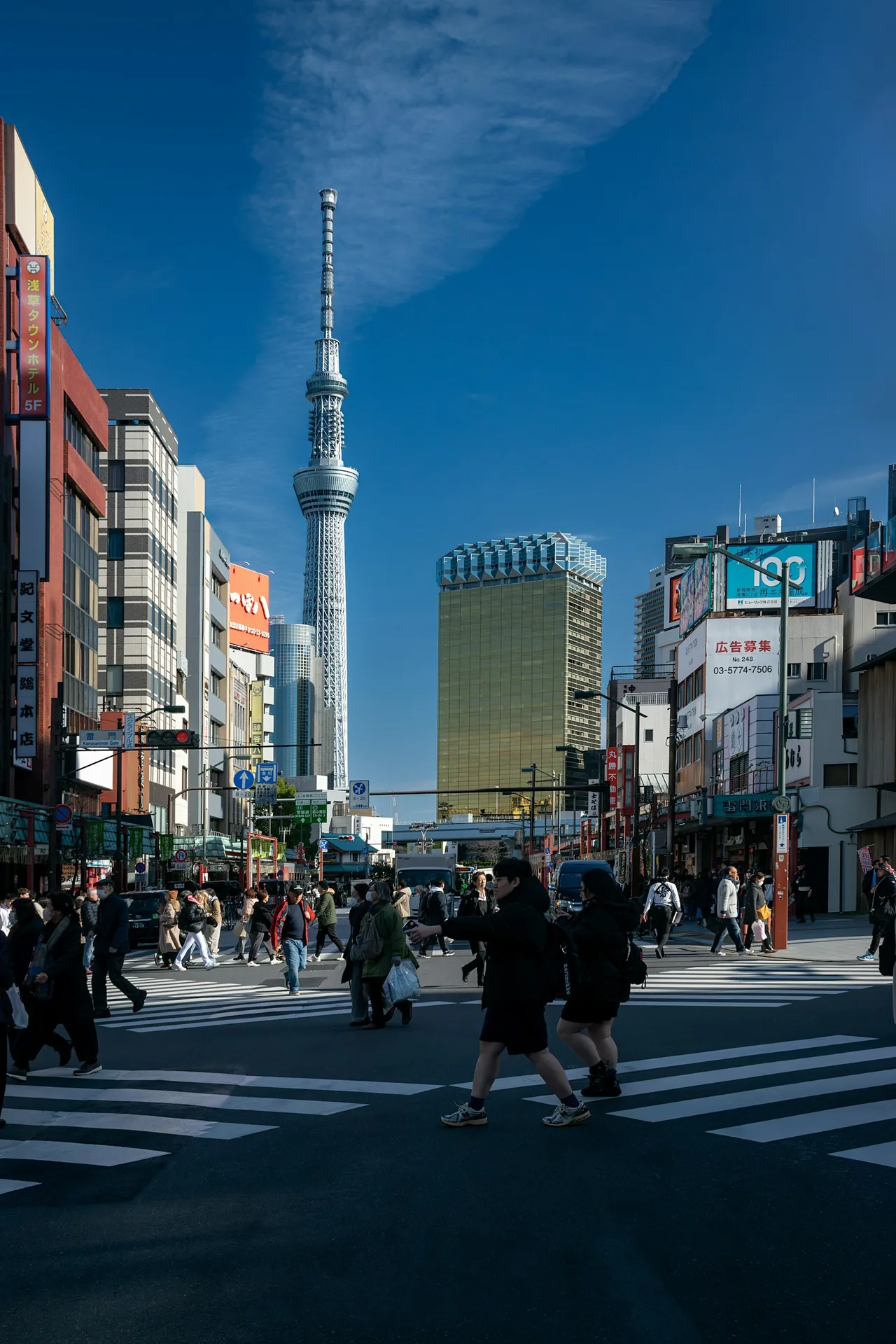
Keep day two in eastern Tokyo: Asakusa in the morning, then the Sumida riverfront or a generous park, followed by an early return. Do not add Shibuya simply because it is famous. GO TOKYO's family guide highlights gardens and open spaces where children can move; make that space part of the itinerary, not a prize after hours of queues.
On day three choose one cluster that suits the children's ages: Odaiba and one interactive museum, or western Tokyo with a park and one booked activity. Check age, height, entry time and stroller rules on the attraction's own site. Keep a wet-weather alternative near the hotel, and avoid two timed experiences separated by a long transfer; one small delay can turn the whole day into a sprint.
04
Day four: make the Shinkansen a smart transfer day
Choose a train after breakfast rather than the first departure, and forward the large suitcase the day before if both hotels confirm acceptance and timing. JNTO says luggage forwarding is especially useful for families and people carrying large bags, but it is not instant. Carry an overnight change, medicines, passports and anything irreplaceable. Never send the rail ticket or valuables in the forwarded case.
JR Central defines children aged 6–11 for ordinary ticketing and generally prices their basic fare, limited-express and reserved-seat tickets at half the adult rate; categories such as Green Car follow different rules. Nozomi also becomes reserved-seat-only during specified peaks, including published 2026 periods. Enter the children's actual ages and date in the official booking channel and reserve adjacent seats instead of hoping to find them at the gate.
05
Day five: one Kyoto area and an early start
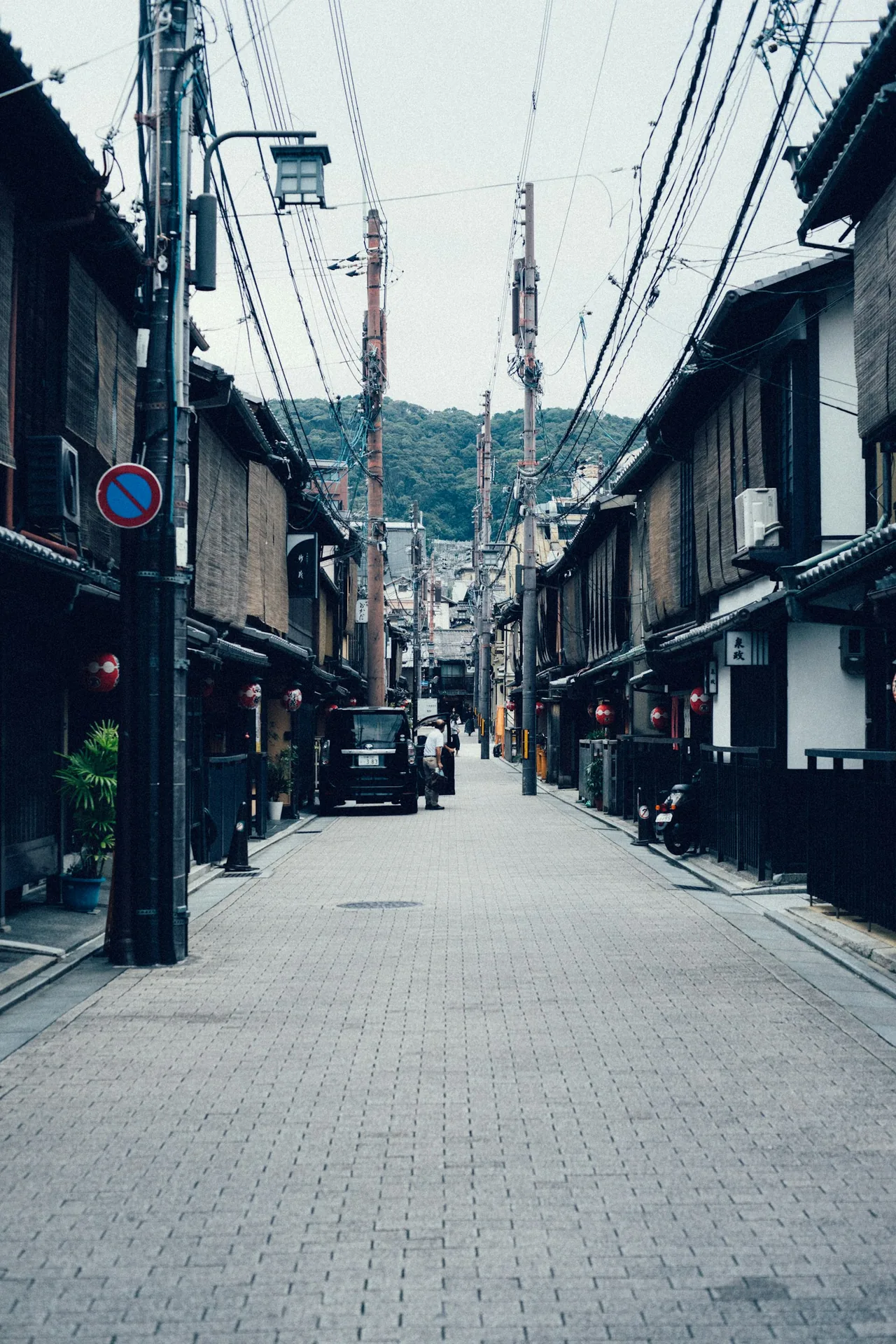
Choose eastern Kyoto—perhaps the Kiyomizu and Gion area—or the western Arashiyama area, not both. Walking between sights is part of the experience, but can involve slopes, stairs and crowds. Open Kyoto Travel's official congestion forecast before the visit and change the hour or area when helpful. At our check, the tool was last updated on 13 October 2026 and notes that forecasts change with weather and proximity to the date.
Use rail and subway where they serve the area instead of treating the bus as the default. Kyoto Travel recommends combining rail and buses, travelling hands-free and using a route planner that considers roads and congestion. With a younger child, make the temple or historic quarter the morning anchor, then add play space or a calm café—not a third attraction with another queue.
06
Day six: choose family Kyoto or one Osaka outing
The calmer option is a Kyoto family day: Kyoto Railway Museum with nearby Umekoji Park, or another park-and-indoor pairing that suits the age. Kyoto Travel's official family resources list the railway museum, Umekoji Park, Children's Paradise and other possibilities. Check closure days and reservations on the facility's own site before setting out.
The second option is Osaka with one theme: the bay area and Kaiyukan, or Osaka Castle and its park. Do not combine the aquarium, castle and Dotonbori for one child's day. OSAKA-INFO's family directory is a useful discovery source, but hours and prices change; open the attraction's own page. If you stay into evening, calculate the return to the hotel door, not merely to the word Kyoto on a map.
07
Day seven: two honest endings
For a Kansai departure, keep the morning close to the hotel and travel with a buffer based on your actual flight, checking the airport train or bus that day. Do not add Nara on the way because a map makes it look close; storage, transfers and airport procedures make it a separate day.
For a Tokyo departure, day seven is the Shinkansen transfer. For an early flight, return on day six and sleep near the correct gateway. This guide cannot prescribe one airport buffer: the airline, airport, route and transport ticket decide it. The final night should remove risk, not add a city.
08
The booking checklist: energy, food and rain
Before paying, give every day one anchor, a break, a verified meal, a changing or nursing point and a rain route. For Muslim families, JNTO notes that Japan has no single central halal-accreditation body, and 'Muslim-friendly' does not always mean a separate kitchen. Keep one currently verified meal anchor and a backup in each base, then ask about certification, ingredients and kitchen practice on the day rather than trusting an old list.
Save one offline page containing hotels, Japanese addresses, reservation numbers and the booked train. Recheck weather, congestion and opening hours 48 hours ahead, then permit yourself to delete an activity. A successful itinerary is not the one with the most check marks. It is the one that leaves the children with a clear memory and the adults with enough energy for tomorrow.
Japwa's family rule: two bases, one main activity and a real pause each day. Remove a city before you remove sleep.
Sources
- JNTO — Traveling With Children ↗
- JR Central — Adults and Children ↗
- JR Central — Nozomi reserved seating during peak periods ↗
- JNTO — Luggage and Storage ↗
- GO TOKYO — Sightseeing Spots for the Family ↗
- Kyoto Travel — Congestion Forecast ↗
- Kyoto Travel — Getting Around Kyoto ↗
- Kyoto Travel — Families with Kids ↗
- OSAKA-INFO — Recommended for Families ↗
- JNTO — Muslim Travelers ↗