- Japwa checked the official sources on 29 October 2026; recheck weather, timetables and reservations before paying
- Suggested split: four Tokyo nights, three Kyoto nights and two Osaka nights, with Fuji as a flexible Tokyo day trip
- The route assumes arrival in Tokyo and departure from Kansai; a Tokyo round trip needs a different return day
- Halal and 'Muslim-friendly' claims need current verification; neither proves a separate kitchen or one central accreditation
01
Before booking: four stops do not require four bases
Write the route as nights, not names: four in Tokyo, three in Kyoto and two in Osaka. Fuji is a Tokyo day trip, so you cover four stops with three hotels. That leaves arrival light, gives Kyoto two complete days and places you in Osaka before departure instead of making you commute there on flight morning.
The cleanest version arrives at a Tokyo airport and leaves from Kansai. If your ticket is a Tokyo round trip, do not squeeze the return into night nine after a full Osaka day. Remove an Osaka night or use day nine to return to Tokyo. Compare an open-jaw airfare with the train and hotel night it may replace, not with airfare alone.
02
Day one: arrival and the hotel neighbourhood
Do not book a timed experience on arrival evening. The work is leaving the airport, reaching the hotel, connecting the phone and finding a meal you can verify. Keep the first walk in the neighbourhood: a shop, a pharmacy if needed and the station you will use tomorrow. Learning its exits is more useful than forcing in a fifth landmark.
Choose the Tokyo hotel by checking the lift route from the station, not only the advertised walking minutes. Large stations can require a long internal walk. Save the Japanese address, property name and reservation number offline, and keep medicines, chargers and one night's clothing in hand luggage.
03
Days two and three: Tokyo in two clusters
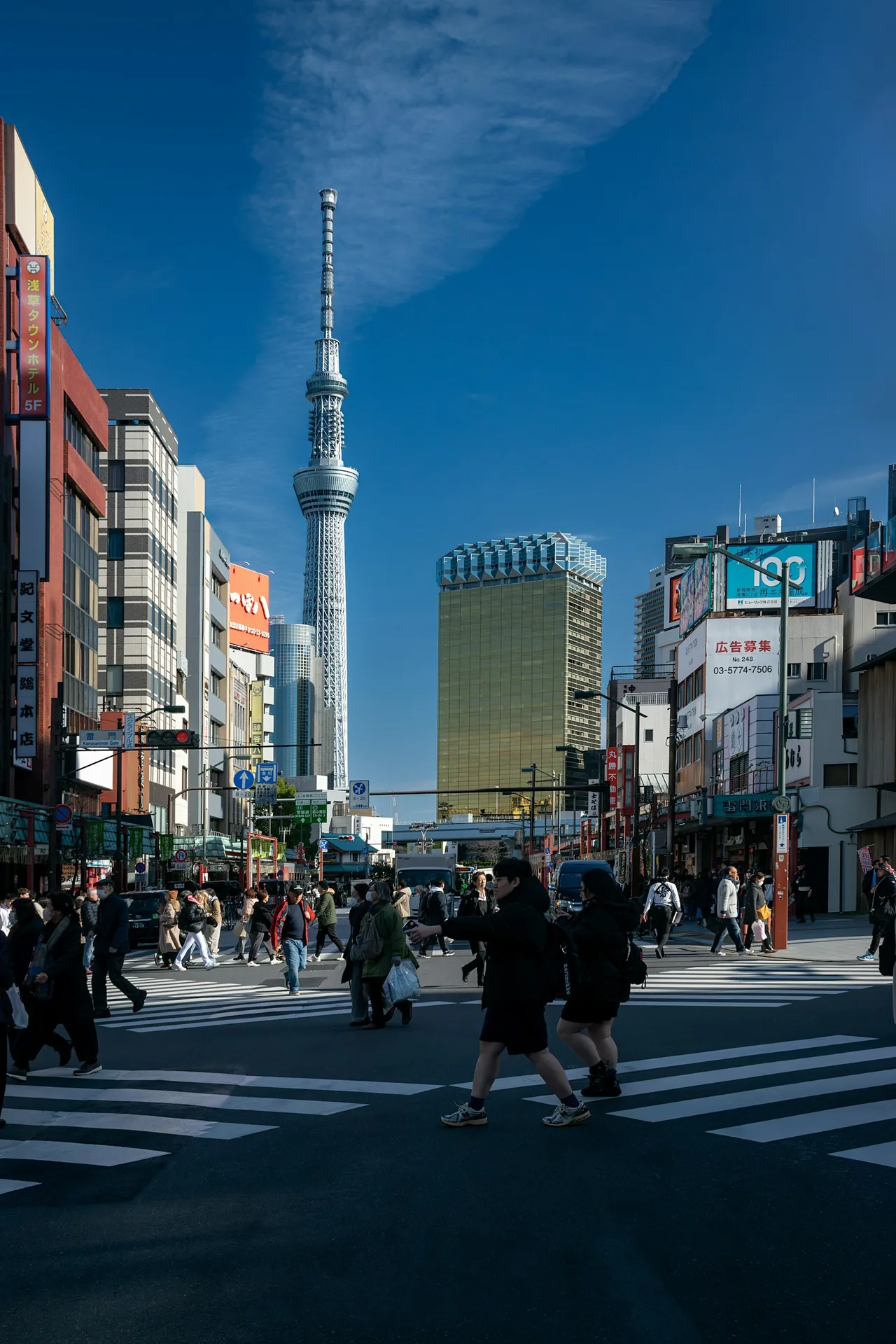
Give one day to eastern Tokyo: Asakusa in the morning, then the Sumida riverfront or Ueno according to your interests. Use the other for the west: Shibuya with Harajuku, or Shinjuku—not all three because they appear on the map. The objective is to reduce repeated cross-city travel and protect time for sitting, eating and prayer.
If you reserve a timed experience, make it the day's anchor and build one neighbourhood around it. Do not buy two timed tickets at distant ends of the city. Keep an indoor half-day that can swap with Fuji when the weather changes; one flexible museum or shopping plan is better than letting a single forecast collapse the entire itinerary.
04
Day four: Fuji is a flexible day, not a promised photograph
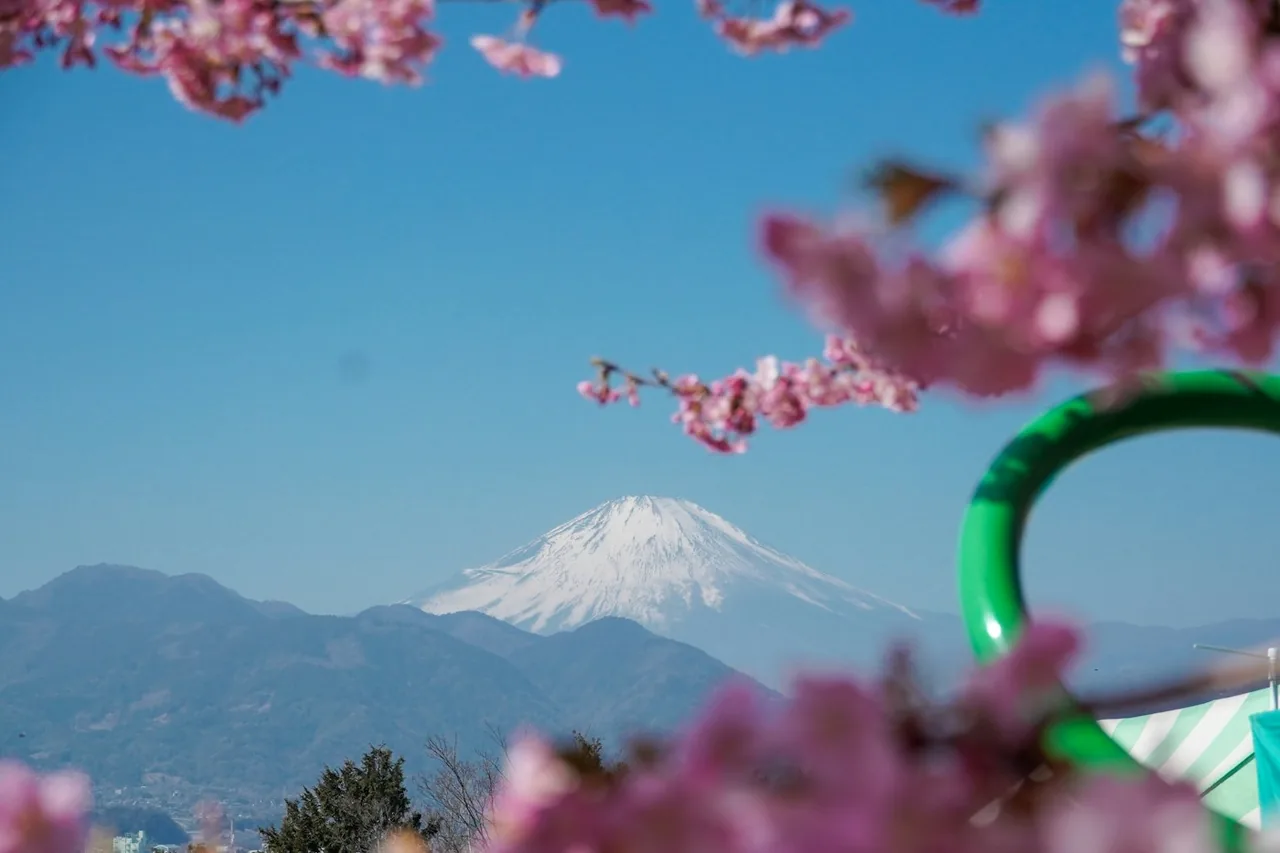
Hold day four for Lake Kawaguchi, but check the official JMA forecast 48 hours ahead and again the evening before. A viable trip never guarantees an unobstructed mountain view. If visibility looks poor or conditions are unsuitable, swap the day with your indoor Tokyo plan and try day three when reservations permit.
Fujikyu operates a limited number of direct trains from Shinjuku to Kawaguchiko, while Fujikyu Bus runs direct services that require advance purchase; schedules and seats depend on the date. Choose one mode, protect the return and do not combine Hakone with Kawaguchiko in the same day. Start with the lake or one viewpoint, then add one nearby activity. A day trip is flexible, but it does not make the last return wait for you.
05
Day five: Tokyo to Kyoto without a luggage race
Move after breakfast. Book the Shinkansen through an official channel and check whether Nozomi is operating with reserved seating only during your peak period. JR Central says baggage totalling 160–250 centimetres across three dimensions requires an advance reservation for a seat with an oversized-baggage area; do not leave that decision to the platform.
The calmer option is forwarding the large case from your Tokyo hotel after both properties confirm acceptance and timing. Delivery is not always immediate, so carry one night's clothes, medicines, passports and chargers. After arrival, keep to Kyoto Station or a nearby walk rather than adding a distant temple to transfer evening.
06
Days six and seven: two complete Kyoto areas
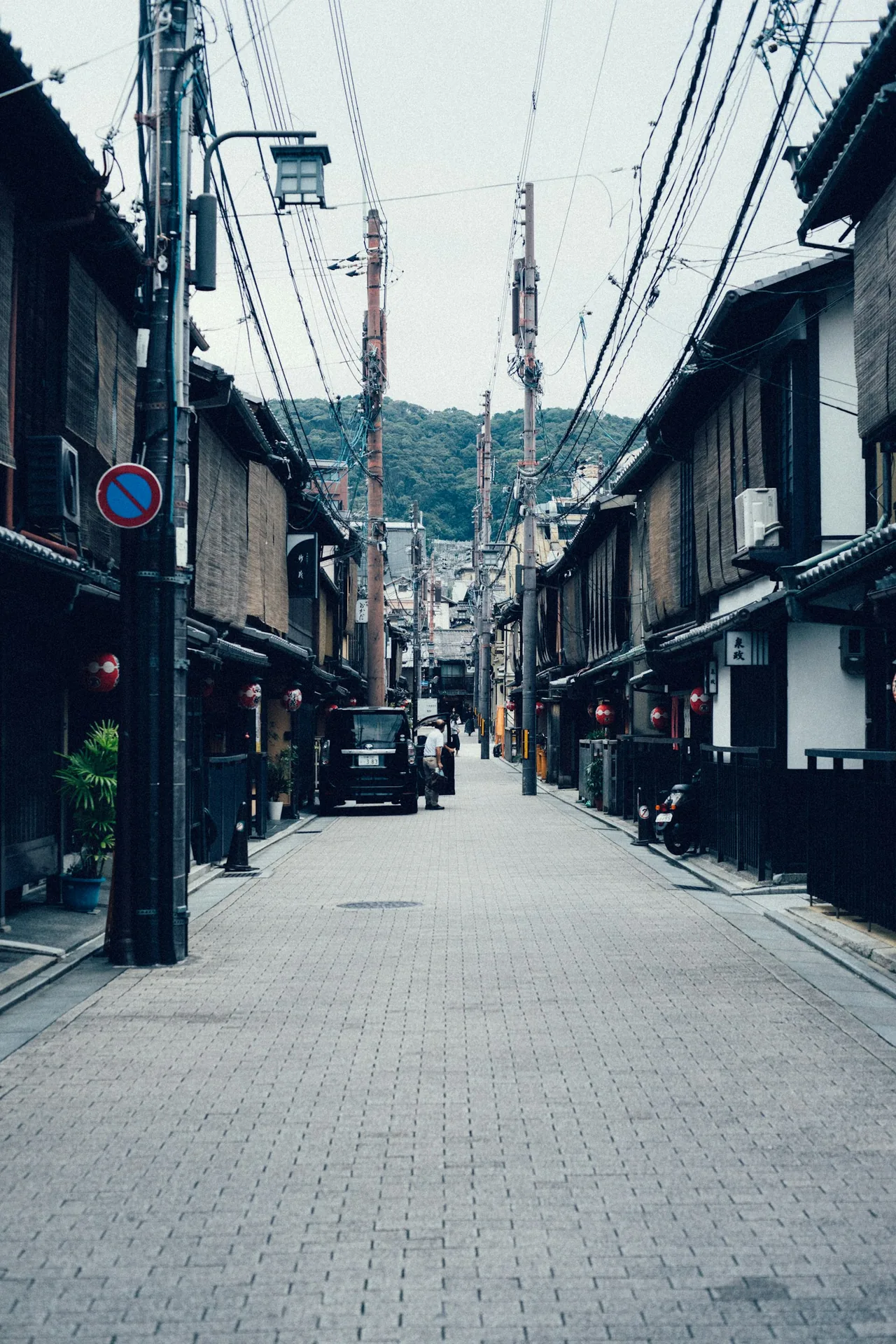
Use day six for eastern Kyoto—Kiyomizu and its surroundings or Gion on a clear walking line. Use day seven for the west around Arashiyama, or Fushimi Inari paired with something nearby. Do not combine eastern Kyoto and Arashiyama in one day; transfers and congestion turn beauty into a corridor between queues.
Open Kyoto Travel's official congestion forecast before visiting. It was updated through 13 October 2026 at our check and states that predictions change with weather and proximity to the date. Use rail or subway where they serve the area instead of assuming the bus is always best. An earlier start or an area swap can save more time than adding another attraction.
07
Day eight: move to Osaka and give the evening to the city
Kyoto to Osaka is a relatively short transfer, but the hotel door, luggage storage and station exits still consume real time. Leave the bags, then choose half a city: Umeda for a modern urban evening, or Namba and Dotonbori. Do not make transfer day a castle, aquarium and shopping day as well.
Two Osaka nights are useful when you leave from Kansai or want a later evening without returning to Kyoto. But proximity to the word Osaka is not enough: inspect the actual airport line, operating hours and transfer station. Decide how day ten works before selecting the hotel.
08
Day nine: one Osaka theme
Choose one of two shapes: Osaka Castle and its park followed by Nakanoshima, or the bay area with one principal facility. Hours and prices change, so open the attraction's own page before paying. Keep the final evening open for a return visit or light shopping rather than stacking another inflexible reservation.
Dotonbori is a shopping and entertainment district, and individual business hours vary. Muslim travellers should not treat rice or seafood as proof of halal status; broth, mirin, sauces and shared preparation are separate questions. Confirm one meal and a backup, then ask about ingredients and kitchen practice on the day.
09
Day ten: leave without a risky final attraction
Check the flight terminal and route to Kansai Airport the night before. Rail links serve the airport from Osaka, but timetables and transfers depend on your hotel and departure time. Do not put a distant market or non-refundable ticket before the flight. Breakfast, packing and the airport are the day's programme.
For an evening flight, choose only a very close walk with a defined return point. Use a buffer based on the airline, airport and actual journey rather than a universal number from an article. The best ending is not the fullest; it is the one that gets you and the bags to the gate without a race.
10
The checklist: halal food, prayer and booking order
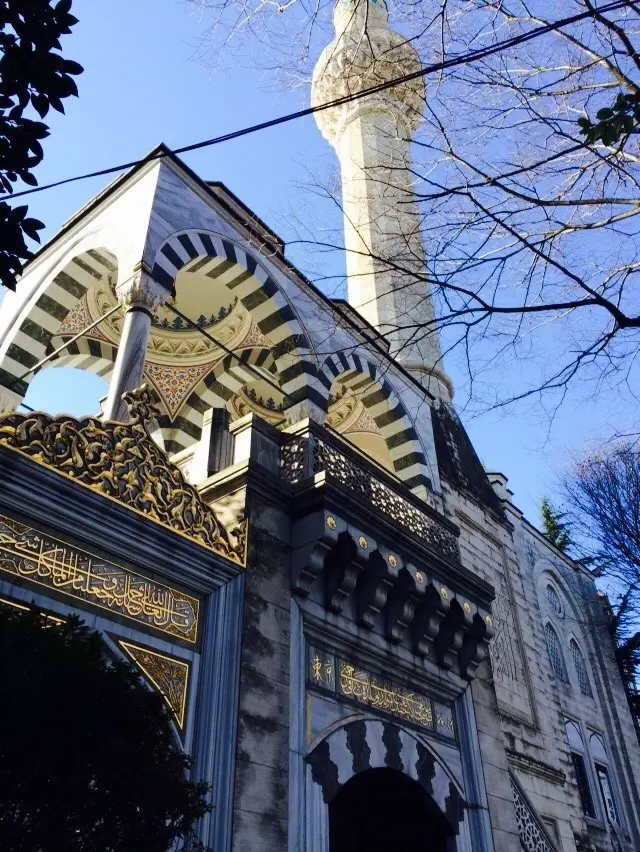
JNTO says Japan has no single central halal-accreditation body and that 'Muslim-friendly' does not necessarily mean a separate kitchen. Before travel, verify one meal and a backup for each base, then recheck certification, ingredients, alcohol, mirin, broth and preparation. Use Japwa's prayer guide to identify mosques and prayer spaces, then confirm current opening and access rules.
Pay in this order: open-jaw flights, cancellable hotels, the Shinkansen, the swappable Fuji day and finally timed experiences. Keep every address and booking offline. When something must go, remove an activity rather than a night's sleep; a good itinerary leaves one distinct memory from each city and enough energy to reach the next.
Japwa's ten-day rule: three bases, one flexible Fuji day and one clear rhythm for each city. Do not let check-in become the trip's most repeated attraction.
Sources
- JNTO — Golden Route planning tips ↗
- JNTO — Explore the Fuji Five Lakes ↗
- Fujikyu Railway — Limited Express Fuji Kaiyu ↗
- Fujikyu Bus — Shinjuku to Kawaguchiko ↗
- Japan Meteorological Agency — Weather forecasts ↗
- JR Central — Shinkansen online booking and travel information ↗
- JR Central — Oversized baggage rules ↗
- JNTO — Luggage and storage ↗
- Kyoto Travel — Congestion Forecast ↗
- Kyoto Travel — Alternatives to crowded buses ↗
- OSAKA-INFO — Dotonbori ↗
- Kansai Airport — Access ↗
- JNTO — Muslim Travelers ↗